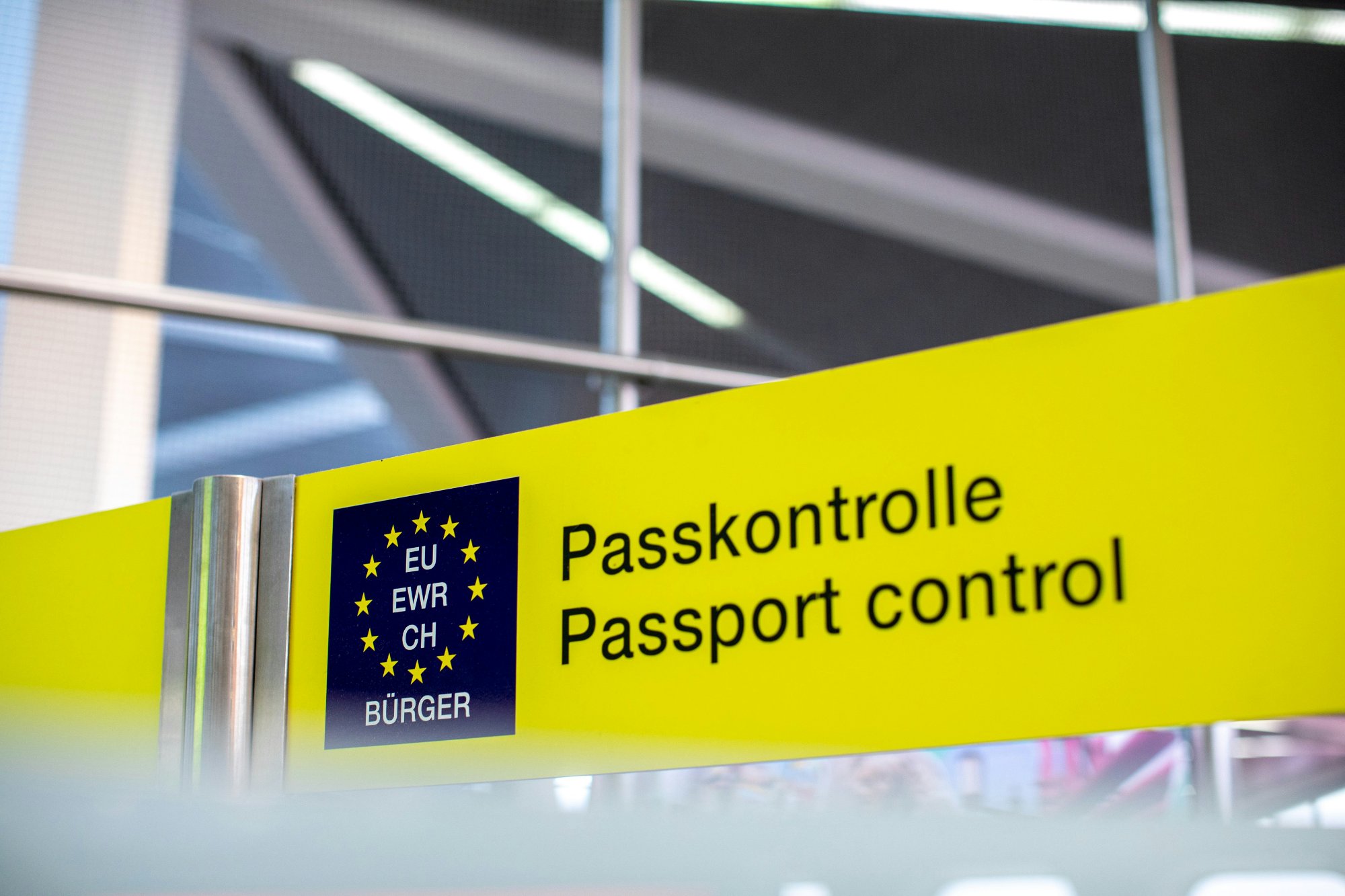
In 2024, EU and Schengen associated countries received 11.7 million short stay visa applications. Of these, 1.7 million were refused. The global refusal rate was 14.8%, down slightly from 16% in 2023. But behind that global average lies one of the starkest disparities in international travel: African applicants are approximately 8 times more likely to be refused than Asian applicants.
Refusal rates by country: the numbers
The European Commission publishes refusal rates broken down by applicant nationality. The 2024 data shows the following for countries relevant to our audience:
2024 Schengen Visa Refusal Rates (Selected Countries)
Source: European Commission, DG HOME, Visa Statistics 2024. Published May 2025 at home-affairs.ec.europa.eu
The trend for several African countries is worsening, not improving. Nigeria went from 40.8% in 2023 to 45.9% in 2024. Senegal went from 42.1% to 46.8%. Bangladesh jumped from 43.3% to 54.9%. This is happening even as the global average declined.
Why the disparity exists
Research by Henley and Partners published in their 2024 Africa Wealth Report found that African applicants face consistently higher rejection rates than applicants from all other regions. In 2023, despite submitting half as many applications as Asian applicants, Africans were twice as likely to be refused. The refusal rate gap between African and Asian applicants was 14 percentage points.
The drivers are structural, not simply about individual application quality. Passport strength, gross national income per capita, and historical overstay rates all correlate with refusal rates. Countries with lower GDP per capita face higher scrutiny. The EU Visa Code (Regulation EC No 810/2009) sets out the grounds for refusal, but consular officers have significant discretion in applying those grounds.
Common refusal reasons under the EU Visa Code
Grounds for refusal (Annex VI, EU Visa Code)
- Insufficient proof of sufficient means of subsistence: This is the most common reason. You must prove you can fund the entire trip and return. Bank statements alone are often not enough. Payslips, tax returns, and proof of regular income over several months are more persuasive.
- Purpose and conditions of stay not justified: A vague itinerary, missing hotel confirmations, or an unclear reason for visiting a specific Schengen country.
- Insufficient proof of intention to leave: No return ticket, weak ties to home country, no employment letter, no property evidence.
- Non compliant travel insurance: The insurance must cover the entire Schengen area, have a minimum coverage of EUR 30,000, and be from a provider accepted by the specific consulate.
- Information provided not reliable: Inconsistencies between the application form, the supporting documents, and the interview (if conducted).
The cost of refusal
A refused Schengen visa application costs the applicant approximately EUR 90 in consular fees, EUR 30 in visa center fees (VFS or TLScontact), EUR 45 for travel insurance, plus administrative costs for translations and travel to the consulate. That is roughly EUR 185 (approximately $200) lost on a single refusal. Globally, applicants spent an estimated EUR 136 million on refused applications in 2024.
Country specific notes
Nigeria
Nigerian Schengen applicants face a 45.9% refusal rate in 2024, up from 40.8% in 2023. France, which is the most popular Schengen destination, had a 15.8% overall refusal rate but applies much stricter scrutiny to Nigerian applications. The key issue is the financial evidence standard: consulates expect to see 3 to 6 months of consistent income, not a single large bank balance.
Senegal
Senegalese applicants face a 46.8% refusal rate. France is the primary destination for Senegalese travelers given historical and linguistic ties. The three French consulates in Algeria (which share similar dynamics with francophone Africa) rank among the top 4 globally for refusals. Documentation in French is generally required for French consulates, and any translation inconsistencies are treated as red flags.
India
Indian Schengen applicants face approximately 15% refusal, which is close to the global average. However, the Swiss consulate in New Delhi is one of the largest issuers of refusals in Asia due to extremely high application volume. Indian applicants typically face scrutiny on the purpose of visit and the distinction between tourist and business travel intent.
Bangladesh
Bangladesh saw the steepest increase of any major applicant country, jumping from 43.3% to 54.9% refusal. More than half of Bangladeshi Schengen applications are now refused. This makes professional review of the application before submission essentially a necessity rather than an option.
Check your chances before you spend EUR 185 on an application.
Free. 2 minutes. We score your profile and flag the risk areas.
Check My Visa Chances (Free)Sources and verification
All 2024 Schengen visa data from European Commission, DG HOME: "Visa applications reach 11.7 million in EU and Schengen associated countries" (May 2025). Country level refusal rates from DG HOME Visa Statistics 2024 by nationality file. The 8x disparity figure is from HelloSafe Schengen Visa Refusal Rate Barometer 2024 and Henley and Partners Global Mobility Report 2024/2025. EU Visa Code: Regulation (EC) No 810/2009 of the European Parliament and of the Council. Cost estimates from HelloSafe analysis of typical Schengen application expenses in 2024.